Subscribe
Share
Share
Embed
Ducks Unlimited Podcast is a constant discussion of all things waterfowl; from in-depth hunting tips and tactics, to waterfowl biology, research, science, and habitat updates. The DU Podcast is the go-to resource for waterfowl hunters and conservationists. Ducks Unlimited is the world's leader in wetlands conservation.
Welcome to the Ducks Unlimited podcast, Reloaded, where we bring you the best of our past episodes. Whether you're a seasoned waterfowler or curious about conservation, this series is for you. Over the years, we've had incredible guests and discussions about everything from wetland conservation to the latest waterfowl research and hunting strategies. In Reloaded, we're revisiting those conversations to keep the passion alive and the mission strong. So sit back, relax, and enjoy this reload.
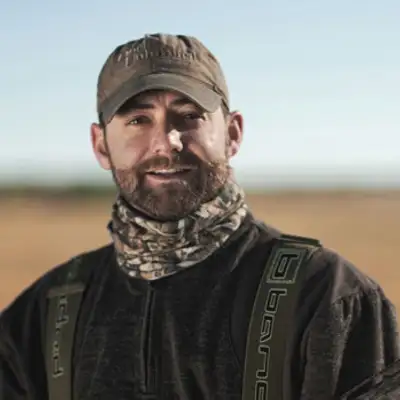
Chris Jennings:Today, I've got a very special guest. It's kinda unique, a little bit outside of our realm that we've done in the past, but I've got lieutenant John Nores. He's retired from the California Department of Fish and Wildlife, and he's a game warden. John, welcome to the show.
John Nores:Chris, so good to be on the show, man. Thanks for having me.
Chris Jennings:And the main reason why we wanted John to come on the show is he actually wrote a book, and it's called the hidden war. And it's how special operations game wardens are reclaiming America's wild lands from drug cartels. And it's a it's a fascinating story, which I read, and and I kinda wanted to be able to bring this story to our audience to see some of the just fascinating work that our game wardens are doing throughout the country for wildlife conservation. But before we before we get into that discussion, John, can you just give everyone a background of kinda who you are, where you're located, where you've worked, how you became a game warden, and and kinda your familiarity with Ducks Unlimited.
John Nores:Yeah, you bet, Chris. I mean, like all of you guys, all of our listeners, and all of you guys over there at Ducks Unlimited doing the great things you're doing for not only waterfowl but conservation as a whole, I grew up hunting and fishing and shooting, angling, all of that, you know, from a very early age. My father, my grandfather, you know, both dedicated to lives of service. We have a lot of career military, a lot of law enforcement folks in our family, my dad and granddad included, and, you know, they passed on that conservation tradition to all four of us kids really early on. So at nine years old, I was passing hunter education, and, you know, before I was ever hunting big game or predators or, you know, embarments or any of that, I was hunting waterfowl.
John Nores:You know, I was pushing my mom's Model 50 Winchester Auto 20 gauge, A little big for me and heavy as a little kid, but it didn't kick, and I hit with that thing, you know. So green winged teal was my first waterfowl species I harvested, and then it was up to pintail and mallards. We had a duck club, and we also hunted a lot of wildlife refuges and did the sweatline draw in the mornings over in the Los Banos area in California, where I'm from, and it was just a fantastic way to live, especially in the urbanized society today when so many of our youth are into digital media and a lot of screen time and not getting in the outdoors as much as we like to promote, I didn't have that problem, so that was really, really cool. And then, you know, it just I kind of went a different direction. I never really intended to be a game warden because, Chris, unlike all of my colleagues when I got to the Fish and Wildlife Academy in 1992 at Napa Valley College of California, I had never met a game warden in all those years hunting and fishing, which was weird, you know?
John Nores:Very odd to start at nine years old and get all the way to college when you're doing deer openers and you're doing waterfowl openers, and just all over, not only California, but, you know, in the West. And I just had not had the privilege of running into a game warden, so I was not aware of the job. So even though I had this conservation lifestyle going on, I was kind of following in my uncle's footsteps, he was a civil engineer, and I'd like to draft, like to design, create, and I wanted to do something around keeping water clean and doing hydrology engineering and things like that. And I was in an engineering programme, of all things, and also looking at an ROTC programme with the Army to go into a Special Forces position and proceed, you know, do an engineering career once I got out of a life of service. And then, just by, you know, almost, I call it divine intervention, I was on my first semester break in the engineering program at San Jose State University, and me and my best buddy to this day were backpacking on a winter trip between semesters right before Christmas in Henry Co.
John Nores:State Park, 105,000 acre state park that was 15 miles from my home in the South Silicon Valley Foothills, and it was really the catalyst to make this career happen, because we were camped out with a pack horse, and a game warden checked us way in the backcountry of Coe Park when nobody else was in this park. It was storming, you know, we were young and dumb kids, we didn't have all the right rain gear, so we were soaked, we had a fire to dry stuff out, and here comes this game warden thinking, Who are these guys? No one's back here normally from a state park standpoint recreating, so he thought we were black tailed deer poachers. That was an area that had really good black tailed deer genetics, it had a history of poaching back there. So once he found out we were just dumb college kids, he lowered that officer safety concern, and then I kept him there for two hours, Ben and Nazir.
John Nores:You know, what do you do? You're in that truck alone. You don't I mean, that's your office, and here you are back here by yourself, and we're not going see a soul for probably five, six days, and, you know, I just I went crazy mentally, and even my buddy Jeff said, Something's not right. What's going on? I said, You know, I'm doing the wrong thing.
John Nores:That is exactly what I need to be doing. That was to protect wildlife and be a law enforcement guy and live and work in the backcountry, and get paid to do it, and really represent the public and conservationists everywhere. It was just a dream come true. So no exaggeration, when we left the woods five days later, I was at San Jose State changing my major from engineering to criminal justice with some biology background stuff, and I was off to the races, and I didn't look back. And so I was very lucky to get into the Wildlife Academy.
John Nores:We were called the Department of Fish and Game then in Napa Valley College in 1992. I was one of four civilians to get on the list with a bunch of military veterans that had preference points, and a bunch of state park rangers that were already law enforcement officers that were laterallying over to our agency, and I was one of four off the civilian list and just really lucky to get in when I did, because it was super hard to get hired then, because we had so few positions, and they just didn't come up that often, and they were all full. So that's how I started the career way back in 'ninety two.
Chris Jennings:Man, that's awesome. You know, it's a great story. It seems like there's always a story, if in my experience with, you know, every game warden, conservation officer, you when you talk to them, there's always something about them that has driven them to that specific job because it is. You know, it can be difficult. It's you know, a lot of times you're by yourself.
Chris Jennings:You know, typically, you're always dealing with people with guns. You know, the the issues with that, and I think, you know, there like I said, there's always just seems to be a a story behind it, and then you've definitely got one that's that's very interesting. You know, as you're as you kinda got into the profession and it transitioned and it kind of you you kinda laid it out in the book in Hidden War where you kinda transitioned. There were some issues, but but kinda give an overview of how you became to write this story about Hidden War, and how that progression in your profession, how you transitioned into that.
John Nores:Yeah, that's that's a big question and has a little bit of backstory to it, and I appreciate you asking it, so bear with me as I ramble a little bit on this one. But essentially, between 1992 and all the way up until 2004, I did what we traditionally do in game warden ranks that, you know, all of our listeners with Ducks Unlimited, hunters, anglers, the public, really, if they know what a game warden does, they perceive that we do the traditional stuff. We check hunting and fishing licenses, you know, we check limits of waterfowl, make sure people aren't using lead shot, that they're marking and transporting their birds and storing them properly, avoid over limit issues, spotlighting deer at night, not tagging deer, taking too many fish, and then, you know, the environmental crime component, Chris, where a stream bed being diverted that's poisoning waterways or it's harming wildlife or depleting a pristine stream cause it's being used for agriculture development or maybe water pollution, whatever the case may be, those kind of things. And I did that. That's exactly what I dreamed of doing, you know, the big claim to fame.
John Nores:When I started in when I got out of the academy in 1992 and got through the field training officer program, I was sent from the suburbs of the Silicon Valley, in the rural southern area of Silicon Valley, down to Southern California, and I had Western Riverside County, so I had everything from gangbangers in LA coming over the hill from LA into Riverside County in these remote, you know, desert like canyons and spotlighting rabbits and coyotes and deer, gillnet and fish, you know, killing waterfowl after hours at dark under flashlights. I mean, we had crazy stuff going on, So that was the type of stuff, and, know, being a Silicon Valley kid, I'm like, okay, I'm not in Kansas anymore, Toto. This is nuts. But the learning curve down there was cool because we were getting hardcore wildlife violators that had some criminal aggressive history behind them, and they were not hunters that are making that honest mistake. So one thing in the traditional world of fish and game enforcement is, and you know, you hear this from from game warden colleagues of mine all over the country and in other countries as well, the spirit of law versus the letter of the law, where if someone makes an honest mistake and they're not intending to, we don't want to hammer somebody like that.
John Nores:We want to educate them, encourage them, cut a warning where we can, be very lenient, because we're going to gain an ally in the conservation ethos and that thin green line we're all part of. And one thing I did in Riverside County early on is I made a lot of friends, some that I had to write tickets to, but because I addressed it with a lot of respect and we didn't have to escalate the issue, an honest mistake or one that was over the line a little bit, got a lot of violators to really befriend me and become informants and kinda change and be a little more careful in what they were doing. They weren't that diehard, commercial, very intentional violator that is always going to violate, and they're just trying to play cat and mouse with game wardens, but made a lot of eyes and ears out there for the Thin Green Line and started making a lot of good cases in all kinds of realms, whether it was waterfowl, big game, commercial reptile sales of all crazy things is another subject that's kind of off kilter. But I got transferred, I was able to go back quote unquote to home and take the Gilroy position in the Silicon Valley in 1995.
John Nores:I was down in Riverside for three years, and once I got back to my home area, I did the traditional stuff on steroids. It was one of those things where I had grown up hunting and fishing that area, and obviously had that experience in Coe Park where I met a game warden, but now it felt a little more personal because it was home. I was running into a lot of people I grew up with. I was learning that, you know, some of the guys I went to school with had a poaching history, you know, and then I ran into them, and I ran into a lot of classmates of my younger brother and sisters, know, a couple years before me. But it was just great to be home, and it was great to learn more about the wildlife issues that I did not know growing up, even though I was an avid conservationist.
John Nores:And that progressed all the way up until 2005, and I promoted to be a lieutenant, a squad lieutenant, for all of Santa Clara County, San Benito County, and part of Monterey and Santa Cruz County. So we never had full positions in the Bay Area. We were always looking for bodies because people were transferring out to the mountainous garden spots, so to speak. I was
Chris Jennings:having about
John Nores:five, six, or seven game wardens I was supervising and still out in the field, and the cool thing about a lieutenant level warden in California is that you can be very field oriented if you want to, if you can juggle everything, and I really like to be out there with the guys. But it was in and around that time, as you mentioned, Chris, the Hidden War transition, where we were starting to get into these cartel run, and these are trespass cannabis grows, and they're marijuana grows that are done strictly by the drug cartels from south of the border, but they're embedded up here in America, and primarily the biggest state they operate in is California. And reason being is California is one of those Mediterranean, one of six true Mediterranean climates all over the globe, and the weather is just great. So, you know, we have very mild winters, unless you're in real high elevation snow country, cannabis can be grown from sometimes as early as late February all the way up until December in some cases, and like the wine industry in California, California is known for producing very potent and very good cannabis.
John Nores:The cartels knew that, and since that's the southern border in the San Diego area in the early eighties, they started to migrate and infiltrate and smuggle their growers and their product up here into America to grow this stuff for the black market, because it's very lucrative on the black market, it's very potent, but it's very low cost. And so I started to get wind of this a little bit, even in my early days down in Riverside County in the early nineties, but I wasn't going out on operations of any significance to actually go into a grow site, assess environmental crimes that these guys are doing, and help eradicate the plants to maybe catch some bad guys. But in 2004 I started doing that. I was, in my first book, War in the Woods, which was published way back in 2010, the first chapter goes into it's almost kind of an innocence lost, right? Doing the traditional stuff, got the great relationships in California, my home area, and doing all the things I love to do, and then a wildlife biologist friend of mine that I grew up with that was doing his master's thesis on threatened and endangered species, red legged, yellow legged frog, looking at waterfowl, migratory birds, as well as steelhead trout, up in an area not far below Coe Park, a stone's throw from where I grew up.
John Nores:And he had two creeks that were just flowing perfectly, and he was in about his third year of this study on what was once a blacktail hunting ranch property and now become Open Space Authority property, that basically it's county land that's going to eventually be opened up to public enjoyment, hiking, things like that. Maybe not hunting or any conservation aspect, but it's going to be an open space for people to enjoy. And he called me in April when we were doing trout openers and spotlighting patrols and said, Hey, one of these creeks is bone dry, John, I don't know what's going on, and I got dead fish, spawning steelhead are done, frogs are dead. I mean, it's a big, big, big loss of wildlife, and then everything that's going to also thrive off of that waterway, waterfowl species, big game species, etc, were affected as well. So I grabbed him, and, you know, being a good informant, we went up into the hills and dropped into a canyon, and I expected to find Chris a pretty traditional violation, like maybe a rancher diverting a creek he wasn't supposed to for cattle or for agricultural use, did not expect to find what we found, because when we dropped into that canyon, and I'm glad we did it stealthy and carefully, we found a water line that was diverting all the water that was left from a check dam that had been made with this clean plastic and rock stacked up to basically block the flow almost two miles up in the mountains above where we were seeing all this dead wildlife, and then diverting the water into something further downstream on both banks of this little pristine creek.
John Nores:And as we followed the waterline down, we started to see marijuana plants about 18 inches tall, and then we went a little further very carefully, and then we started to see an encampment, and we started to see fertiliser bags, and it basically looked like a nomadic, almost, you know, long term camp setup, but they kind of had a comfort zone. They had been in there a long time. The cuttings on the tree limbs and some of the ground in Dijsia kind of indicated that this was not the first year they were there. They had been doing this to some level, you know, under everybody's noses for quite some time. And then I saw the guys, and these guys were dressed in battle dress uniform, olive drab green camouflage, they had big knives, they had long rifles, assault rifles, small weapons, machetes, where they were tending plants and watering, and it was a real shocker.
John Nores:You can imagine, I've got an unarmed civilian buddy I grew up with that he's now in grad school. We don't have any radio coverage, we have no cell coverage, I can't get out of my police radio, and it's I have an assault rifle, have my backpack, my basic gear, and that's it. And we are in the middle of a hole somewhere pristine country, and now we've got these armed guys that definitely don't belong there, they don't look like they're from the area, and that was my first exposure to a drug cartel grow with operatives from South of our American border. We were able to hide out, we were able not to have contact with them, but obviously I was spinning up pretty incredibly mentally on what I had just seen. And unbeknownst to us at the time, other than just the water diversion and the fertilisers and everything they use for their plants that leach into that waterway that kill everything downstream, we were unaware of the EPA toxic poisons that are banned in this country from being used because they're so toxic.
John Nores:Chemicals like carbofuran, metaphos, cufuran, that are very, very potent insecticide and rodenticides that the EPA, after studying them for many years, determined that they can't be used in America, they can't be possessed, it's a felony to possess these chemicals, but they are available in third world countries, and they are not regulated there. So they get this stuff in Tijuana, and they bring it up with their smugglers, and they put this stuff on all of the plants, on the soil, in the waterways themselves, and two tablespoons of this stuff, Chris, no exaggeration, could kill miles of stream. And that was one of the reasons we had all those frogs, all those fish, all those waterfowl species, and some big game species as well, wiped out two or three miles below that growth site was because of how toxic this stuff is that they use on these plants. And people kind of ask, Why do they use this stuff if it's so deadly? And the reason is, it's just it's ingrained in their SOPs, their standard operating procedures.
John Nores:In Mexico, when they grow this stuff illegally as well, under the federalis and the militaries knows, nothing will touch the plant, so they'll never lose any marketable bud product that consumers on the black market all over America will use, and they don't care about the health issues, they don't care about what impact it has to wildlife, but it's on almost every trespass grow that's cartel driven in California and throughout 25 other states all the way through the Eastern Seaboard where this stuff has grown. So that was my first exposure to a cartel grow site, and obviously I was way over my head. It was not something that was my enforcement priority by any means. It wasn't anything game wardens were known to be doing, supposed to be doing, any of that. So I talked to sheriff's department members, I talked to narcotics task force groups, and became part of an ad hoc team of a lot of different agencies, including State Park Rangers, because this thing went into Coast State Park, where I met that game ward many years before, and I helped, you know, we basically guided them on how to raid this thing and raided it with them, and there were a lot of lessons I learned that day.
John Nores:You know, I learned that there wasn't an emphasis on catching people doing this problem. We were eradicating plants and getting funded from the federal government based on how many plants we would eradicate, but after we did all the eradication with the task force, here comes a Blackhawk helicopter, we got an e ticket hoist ride out of the woods after a long day of hiking and eradicating and whatnot. But I was looking around to the other agencies with a couple game wards with me and just going, Woah, woah, we're not done, guys. You know, we have this creek is destroyed, all this trash, all these encampments, all the fertilizer, we gotta do something. This stuff is gonna poison this waterway forever if we don't clean it up.
John Nores:And the response I kind of got at the time was, well, that's not our job. We don't clean, we don't collect trash. We're a drug agency. We're here to take out these plants, and that's it. We're not equipped to do that.
John Nores:And I realised then that there was a much bigger environmental issue, and it wasn't even a drug enforcement issue, it was really a conservation issue of protecting wildlife waterways and wild lands that nobody was paying attention to because game wards just weren't involved. You know? A conservation based agency wasn't involved, brother, and that was but I was too new at it, you know, and I didn't really have the credibility to I wasn't going to say anything, I was just glad to be part of a team, and it was really cool to be seeing this level of damage, but realising we have a new environmental criminal that is not a traditional poacher, but they're doing the most, and no exaggeration, when I started working these cartel grows and it became kind of a specialty and eventually led to the specialised game warden team that you're talking about in Hidden War, the second book, the latest, I realised I had never seen a bigger environmental destroyer until that time. I also realized that with some of the violent encounters we started to get into, not on that grow fortunately, but just a year later, when we were in our first gunfight in the foothills above Silicon Valley on a massive grow complex, it ended up being 23,000 plants, and there were armed gunmen running all around those grow sites in 08/05/2005 because it was harvest time, and it was three sheriff's deputies, three game wardens, one on our mid Peninsula Ranger, a team of seven, and we just got in way over our heads.
John Nores:We did not expect violent encounters. We were prepared for it. But how prepared can you be, you know, when you're just not having dedicated teams of the adequate personnel, the adequate training and equipment, air support, medical contingencies, you know, helicopter support, whatever the case may be.
VO:Stay tuned to the Ducks Unlimited podcast, sponsored by Purina Pro Plan and Bird Dog Whiskey after these messages.
Chris Jennings:You know, you kind of outlined that in Hidden War where, you know and I I kinda took this as as as a great point that you that you made in this is, you know, there are agencies and task force and, you know, officers, you know, throughout the law enforcement area and throughout California who, you know, were consistently, you know, taking down, you know, whether it's a a crack house or a grow house or whatever. But the unique situation that you've you've found yourself in is that these were so backcountry. Yes. And these were so far off the grid that, you know, you couldn't take. Let's just use, for example, like, Los Angeles County SWAT team, which, you know, is well renowned.
Chris Jennings:You know, they make movies about this, you know, these guys. But you couldn't take these guys and put them out in these wild lands and then be able to operate in the same manner because they're not used to that. But the unique situation that you found yourself in, and I think our audience will kind of appreciate this, is is you guys are outdoorsmen. You are backcountry campers, you know, hunters, fishermen. You're familiar with these areas.
Chris Jennings:And and while you may not be familiar with that specific area, you're familiar with being outdoors and operating under, you know, the same way that you would be doing like a backcountry camp, and hiking in, and taking your gear in, taking your gear out. I found that to be a really good point.
John Nores:Yeah, Chris, you hit it on the head when you when you talk about what game wardens bring to the table from the standpoint of outdoor comfort, you know, and ability. And because like you, we're all hunters, we're all anglers, and we spend a lot of time in the outdoors. And was something that, because the environmental component of what these cartels were doing wasn't really well known, we weren't involved. But once we started to get involved, especially in California, you know, the general public, if you're not from the West Coast, you you think of the politics of California, you think of LA and San Francisco, and you think of Hollywood and things like that, but that's less than 10% of what California encompasses. California is a massive state of wild lands and biodiversity.
John Nores:When we can go to 13,000 feet below Mount Whitney in the Eastern Sierras and have Sierra Nevada bighorn sheep, which are a very small, you know, endangered protected subspecies of the Rocky Mountain bighorn sheep that are only in California that our agency has been trying to promote and thrive for, like, twenty or thirty years, and then you're down on the ocean, you know, in marine protected mammal sanctuaries right off the coast and great waterfowl, great big game species, you know, in the foothills and then into our Sierras.
Chris Jennings:Yeah, John. You know, one thing that, you know, I really picked up from the book and would definitely resonate with our audience is, you know, you go you're talking about dammed up waterways in in the hills, talking about poisons, these these, you know, non EPA approved rodenticides and pesticides and and these things that are going into the waterways. And and one thing that with our audience, we always talk about California, especially, is, you know, California does have water issues, and it's, you know, and a lot of that water is going to rice in the Sacramento Valley, which is big duck habitat. Right. And and kinda talk about that and and how you kinda saw those impacts and either firsthand or you knew what what was going on and how some of these illegal grows or potentially even impacting waterfowl habitat, you know, somewhere further down the river.
Chris Jennings:And and, of course, not just waterfowl, but everything, migratory birds, you know, you kinda hit on hit the nail on the head in saying, you know, everything from deer to birds to lizards to frogs and and just kinda bring that into perspective.
John Nores:Yeah. That's that's spot on, Chris, to the whole point of why, you know, this cannabis enforcement thing led to a specialised group of game wardens doing it was, you know, like we talked a little bit about before, it wasn't necessarily it wasn't considered a drug issue. It was considered a massive environmental crime, loss of habitat, loss of wildlife, public safety issue that we were fighting and that we continue to fight in California especially. And I think when you talk about water issues in California, I want to go back to when we were just starting to form the marijuana enforcement team and get specialised and lead general patrol, we were in the middle of California's biggest drought that state's experienced in over a century. I mean, we were getting to the point where some tribal lands in Northern California and small mountain communities were days away from turning on their tap water and not having water, because the drought was so significant, natural aquifers, natural mountain streams and creeks and rivers had dried up, and then with the cartel impacts on the massive water diversions and how many millions of gallons of water they were sucking from what was left during the drought to feed their illegal cannabis operations, we literally were not only running out of water for waterfowl and wildlife habitat everywhere, we were running out of drinking water.
John Nores:So that was a huge issue, and we learned that between 2014 and 2015, conservative estimate, 1,300,000,000 gallons of California's water were stolen by cartel trespass growers. And that was a very conservative estimate because it didn't take into the private land quasi partially regulated cannabis growers that weren't legal but were doing it under the auspices of such, and taking a massive amount of water they didn't have rights to for cannabis on private lands. But, I mean, think about that, Chris, 1,300,000,000 gallons of water in a year's period, and that's a low number, in the state's worst drought in a century, how are our waterfowl species going to be affected by that when a lot of this is rice lands in the Central Valley, prime waterfowl habitat, and not only there, but I think of the Sacramento Delta, where we had a lot of operations during the drought because there was actually some seawater there, but it was depleted and low, The San Joaquin River, where we were around a lot of waterfowl refuges, and actually in prime waterfowl habitat next to federal waterfowl reserves, and doing grow raids on 20,000 plant grows that were covered in carbofuran and banned toxics leaching right into the river.
John Nores:We did a FOX News special, actually have a FOX video piece on it, and I talk one of those missions is highlighted, that particular mission is highlighted in one of the chapters in Hidden War, because it was the biggest hit of these EPA banned poisons we've ever seen in a power keg of scenario where the water was already depleted and and and hammered from the drought.
Chris Jennings:Is that the one where you guys went in on kayaks?
John Nores:Yep. That's the one.
Chris Jennings:Okay. Yeah. No. That's a cool story because, you know, and that kind of that also really highlights the the versatility and the, you know, I'm sure that there's probably only a handful. I'm sure that other people have done it, but, you know, you know, kind of a special operations approach using kayaks.
Chris Jennings:And I think there was even a picture in the book of, you know, the kayak kayak with one of your officers and then a canine in the front. And I was like, oh, that's pretty cool. You know? That's a it's it's a it's a really cool perspective. I think, you know, our listeners would really dig it to get into that story.
Chris Jennings:And and one of the things you mentioned is, you know, a lot of the the first couple ones that you talked about were up in the hills or out in these, you know, really, really outside of normal areas. I mean, really in the wildlands. But as that drought hit, what you guys found was that these cartels had moved into areas that were could potentially be a lot more accessible to someone like a waterfowl hunter. That kinda opened my eyes to it. Like, man, these guys have moved into areas where there's water because there's so much limitation on it.
Chris Jennings:And now they're into the the Delta where you you kinda mentioned they were on, like, a little peninsula, and I was man, like, that sounds like it probably would be a pretty good place to duck hunt if, you know, given the opportunity. But, you know, I you know, kinda speak to that to where, you know, did you have other issues where maybe hunters, you know, called you guys and were like, hey, man. I think there's something weird going on up here. Is that kind of how you guys stumbled across a lot of these?
John Nores:Yeah, Chris, that's actually spot on, because without us finding it ourselves, our biggest reporting party that turns us into these growth sites onto them are primarily hunters, and then to a certain extent as well another percentage of anglers. But waterfowl hunters have found them. In fact, I have one big game hunters have found them all over the state of California, and in, you know, we know this is going on to a lesser extent in 25 other states, and you notice at the end of Hidden More there's an appendices chapter of some of the science on the water poisoning, some of the samples, and demographics, that this just isn't a California West Coast problem, this is a national problem in 25 other states. And before I go into some good hunter stories that have reported it and what it's led to, we want to remember, too, that these criminal organisations that are doing this tainted cannabis and water poisoning all over America, they're the same groups that are producing synthetic fentanyl. You know, you hear about that drug killing so many people, which is a synthetic heroin, methamphetamine, these prescription lookalike counterfeit opioids that are prescribed painkillers, but they're made in labs in Mexico, and they're so dirty that the doses are so inconsistent that one pill can be a painkiller, the next pill could kill somebody in five minutes.
John Nores:And then the whole human trafficking thing that it's granted, it's outside of our scope for our DU listeners, but it's a national issue, not related to wildlife, that's also part of this same group's enterprise. So this thing goes so much deeper than just what we're talking about today, but for those of us that are all about environmental concerns and conservation, it hits us the deepest on that level. And I remember four or five grow sites, two of which in the book in Hidden War, came from reporting parties that had turned in a grow site, or suspected grow site, because they were on a waterfowl hunt, or they were on a deer hunt. We have the California Wildlife Officers Foundation, it's called CAWA for short, a great group of retired chiefs and, you know, generous donors in conservation from being successful in business ventures, and they've put up a lot of resources financially to form a wildlife officers' foundation for game wardens and our agency that don't have enough money for the right canines or to support canines, or if we have a fallen officer to support their family or kids' scholarship funds. And one thing CALWOP has done is it's brought the right people together that I've become very close to, obviously, both while I was a game warden and now in retirement, and one of those founding members has a beautiful, one of the best waterfowl hunting clubs I've ever been blessed to hunt on a couple of times.
John Nores:In fact, harvested my first wood ducks ever after twenty years of trying to get a pair of wood ducks, and got them out there, Chris. And he called me one day and said, John, I've got water pipe. I've got guys growing right in the butte sink, and here's a guy that, know, we have a seven bird limit, you know, in basically the federal law and the state law, and he's limiting a four bird limit, only hunting one day a week, and doing 20 gauge over unders for challenge and sporting and everything else, and exceeding the management that conservation law allows to make this basically a waterfowl sanctuary for the entire flyway, and he's got a cartel grow site on it. I Yeah, it's crazy. It is totally crazy, brother, and I didn't expect to see that.
John Nores:And that was actually before, right when we were starting Met, So we got him some help, we brought in some security people that could watch his property a little more than we could, because we were doing grows all over the state. And one thing about the Met team, once we were formed, we tested the programme, like I talk about in the book, in 2013 over the summer, and Chief Carrion and his assistant chiefs were convinced six weeks into that, when we were documenting numbers correctly for the first time, the amount of poisoned plants we were eradicating, the millions of gallons of water we were saving, you know, the deportable felons we were arresting, the thousands of weapons we were seizing, the numbers were ridiculous right on. And so that's when our Chiefs fortunately blessed us with being able to make this team full time, and in 2014 we left patrol, and we just went without district boundaries wherever we had to go in the state, working with whatever agency we had to work with. We formed up our sniper unit, which was critical to supporting our guys, doing the high risk stuff and covering them, going into grows, and if it led back to, you know, a home or a dwelling or something for a stash house, a distribution centre, you know, having that added element officer safety, two of the multiple canine advancements for our teams, and I won't give away the stuff in the book with Canine Phoebe's historical wonderful career, and all of our other dogs that I know you're familiar with now, but those dogs, and having those dogs with us 100% of the time, were really one of the driving forces to justify this team to our administration, because they were saving our lives and getting us out of gunfight situations so often, we just couldn't do this job safely and professionally, I think, without them.
John Nores:And when kind of demographics started to happen where we were coming out safely, putting up big numbers, and arresting a lot of people, and even if a bad guy was pulling a gun on us, which happens almost all the time in some of these grows, that dog with abide apprehension is not only saving the officer's life, he's saving the suspect's life, because he's avoiding an exchange of gunfire and everybody's going to live. And to me, that's a win win any given day we go on a mission, because we train for the worst, but we hope for the best.
Chris Jennings:Yeah, and that was going to bring up the dogs with, you know, and for anyone who's going to get the book, I mean, think that one of the highlights for me, and that was on my list of things to ask you about is, you know, the dogs play such a crucial role, and it's so cool to see you know, I think I think people get an understanding. You see the dogs, you know, the canines, you know, in urban areas so often now. You know, you you see these but you don't in the book, you kind of describe you do a good job of describing how the operational aspects of having that canine in the bush. I mean, you're literally, you know, hedgerows and, you know, stalking these some of these people in the groves through the woods and how, you know, even you know, what was fascinating was how these growers even began setting traps for the dogs. Yes.
Chris Jennings:And so people really you know, a a reader can really get into it and and really find out. Now the only problem that I had with the dogs in your description, and this is just me jokingly, you were pretty rough on the canine champ in the book, and I was kinda like, man, he could have left that out. He'd have to bring that up. You know?
John Nores:Yeah. Yeah. It sound
Chris Jennings:like he came around, but at first, our listeners who are gonna get the book and read it, they'll obviously figure out what I'm talking about. But, hey, John, let's pick it up from there on the next episode. Thanks so much for joining us today, though.
John Nores:Yeah. You bet, Chris.
Chris Jennings:I'd like to thank my guest, lieutenant John Nores jr, for joining us on the Ducks Unlimited podcast and sharing the information about this crucial battle that's going on in some of our wild lands and and most importantly, how these game wardens are out there protecting wildlife and, you know, our wild resources. I'd like to thank our podcast producer, Clay Baird, doing a great job of getting the podcast out to you, and I'd like to thank you, the listener, for joining us and supporting wetlands conservation.
VO:Thank you for listening to the DU podcast sponsored by Purina Pro Plan, the official performance dog food of Ducks Unlimited. Purina Pro Plan, always advancing. Also proudly sponsored by Bird Dog Whiskey and Cocktails. Whether you're winding down with your best friend or celebrating with your favorite crew, Bird Dog brings award winning flavor to every moment. Enjoy responsibly.
VO:Be sure to rate, review, and subscribe to the show and visit ducks.org/dupodcast. Opinions expressed by guests do not necessarily reflect those of Ducks Unlimited. Until next time, stay tuned to the Ducks.